Political Campaign Strategy
The 2026 midterms will determine whether the Republican party will continue to control the U.S. Senate and House of Representatives, thereby maintaining the ongoing Republican political agenda.
The Democrats
The Democratic primaries were a wakeup call for the establishment Democratic Party.
The early warning sign was the New York City mayoral campaign. Zohran Mamdani, a Democratic Socialist, came out of nowhere to crush Andrew Cuomo, the former Democratic governor of New York. Mamdani beat him in the primary, and when Governor Cuomo chose to run in the general election as an Independent, Mamdani beat him again. He brought one million more voters to the polls compared to the previous mayoral election. Exit polls indicated that voters under 40 years of age voted for Mamdani across all races, religions, and walks of life.
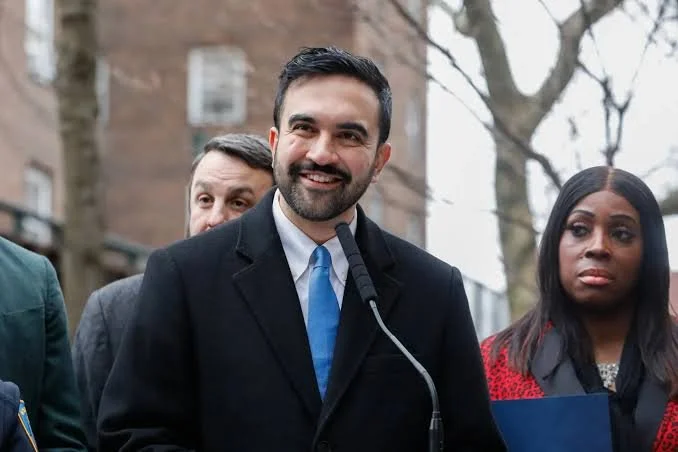
Despite being vastly outspent by Cuomo, Mamdani dominated the city’s conversations with his brilliant social media campaign. Candidate Mamdani was 34 years old, had four years of experience in the New York State Legislature, and was a former community organizer.
Once elected, he kept up the pace. In the first 90 days he got the city back to work in record time after a huge snowstorm. He filled 100,000 potholes. Always in a dark suit and tie, the mayor would hop out of cars to help a commuter shovel his car out of the snow, he watched basketball games from the nosebleed section, he filled potholes, got state funding for pre-K daycare, and when the weather warmed up, he opened the city’s swimming pools with a splash.
In June, 2026, the YouGov political popularity poll listed Mamdani in the top 10 most popular politicians among all U.S. adults.